

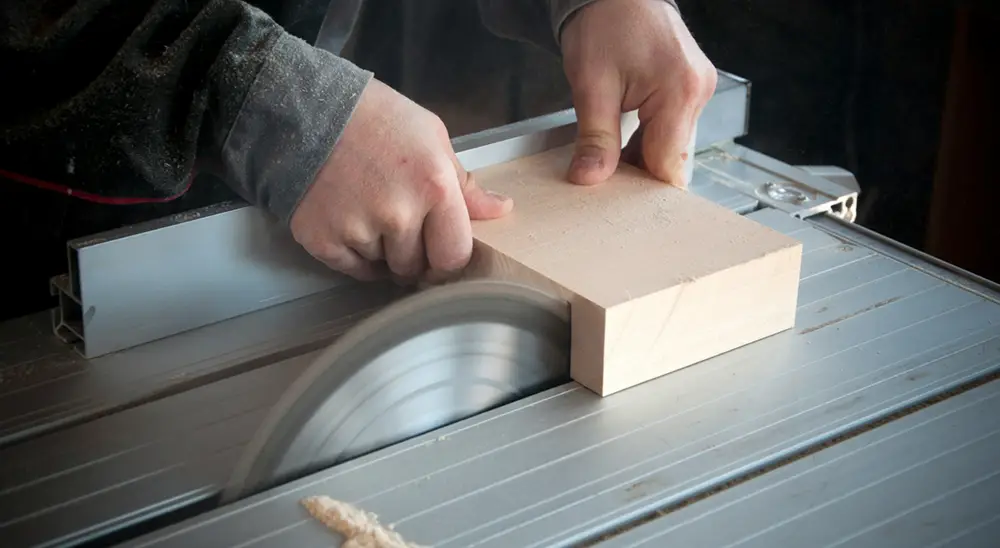
A table saws is probably the most important machinery in any woodworking shops. Many woodworker considers it the center pieces of their workspace. Whether you is building a simple birdhouse or crafting complex furnitures, this machine do the heavy lifting. But not all of these tools is built exactly the same way. There exists three main categories of table saws that peoples use today. Understanding the differences between this types help you make a better choices for your projects.
The Benchtop or Portable Table Saws
This first types of saw are designed for maximum mobilities. Benchtop models is very light and usually weighs between 45 to 60 pound. They sits directly on top of a workbenches or a small stands. Contractors who travels to different jobsite everyday loves this portable units. Because they uses lightweight materials like aluminum for the table top, they is easy to carry.
However, a benchtop saws usually lack the raw powers found in bigger models. The rip capacities is quite limited, meaning you cannot cuts very wide sheets of plywood easily. Also, the small motor produce more vibrations which might affect the accuracy of your cut. Benchtop saws normally uses a smaller 8.5 inch or 10 inch blades. They does not have the capacity to use dado blades for making grooves in woods.
The fences on a benchtop models is usually made of cheap plastics or thin metals. Because the fences is not very sturdy, woodworker have to double check their measurements constantly. Storing a benchtop units is extremely simple because it fits under a shelves easily. Despite this small flaws, they remains extremely popular for household tasks and basic DIY jobs.
The Contractor Table Saws
The second types is known as the contractor table saws. Historically, these machine were used by professional builders who needed more power than a benchtop models. Contractor saws features a much heavier cast iron top that provide better stabilities. They usually weighs between 250 to 300 pounds which make them quite heavy to move around constantly.
A motors on these saws hangs out the back of the machine. This motors are typically driven by a belt systems rather than a direct drive mechanism. Because of the belt drives, the cutting operations is much smoother and quieter. You can cuts through thicker hardwood without stalling the blades easily. A contractor saws often requires its own dedicated electrical circuits in a garages.
The heavy cast iron table surface absorb vibrations so the wood piece stay flat during cuts. Many modern contractor models now includes hybrid features that makes dust collections easier. Unlike a benchtop versions, you can upgrades the fence systems on a contractor saws for better precisions. It provide enough powers to cut thick oak and maple without slowing down the motors. Today, contractor saws accounts for nearly 38 percent of the global market shares. This machines strikes a great balance between affordability and heavy duty performances.
The Cabinet Table Saws
Finally, we reaches the biggest and most powerful category which are the cabinet saws. A cabinet table saws is strictly designed for heavy industrial usages. The entire mechanical parts is enclosed inside a large steel cabinets. This fully enclosed designs helps with dust collections in a major ways. These beasts usually weighs anywhere from 400 to over 600 pounds.
Once you places it inside a workshop, it rarely move from that spots. The motors inside a cabinet saws runs on 220 volts and generates massive amounts of torques. Industrial facilities uses these machine to operate continuously for eight to ten hour a day. The cast iron tops on these saw are massive, giving woodworker plenty of spaces to support large boards.
The trunnions holding the blades on a cabinet saws is mounted directly to the steel cabinets. This direct mounting methods make it incredibly easy to keeps the blade perfectly aligned. Most professional furniture makers prefers this types of machine for their daily operations. Because a cabinet saws weighs so much, moving it require a specialized mobile bases. The price tags on these heavy duty tools ranges from two thousands to over five thousands dollars. Cabinet saws produces the most precise cut because their heavy weights absorbs almost all vibrations.
Market Statistics and Growth Datas
The global table saws industry are growing at a very steady paces. Recent market reports shows that the global industry were valued around 617 millions dollars in 2022. Experts predicts that it will reach roughly 1.1 billions dollars by the end of 2031. North America hold a very large portions of this markets, driven by a robust construction sectors.
Industrial end users leads the demand, accounting for roughly 53 percents of the total shares. The rise in wooden furniture productions continue to fuels this massive growths. Household usages is also expanding quickly as more peoples takes up woodworking hobbies.
Important Safety Numbers and Concerns
Operating any types of table saws bring serious safety risks if peoples are not careful. According to data from the Consumer Product Safety Commission, more than 40,000 Americans is injured by table saws every single years. These accidents costs the United States approximately 2 billions dollars annually in medical expenses and lost wages.
About 4,000 of these injury results in the amputations of a fingers or thumbs. That means more than ten severe amputations happens every day due to this machines. Most of this injuries occurs because the operator hands makes direct contacts with the spinning blades. New active injury mitigations technology have been developed to stops the blade in milliseconds upon skin contacts. Implementing these safety features save thousands of fingers and prevent life altering tragedy. A woodworker should always wears safety glasses and uses push sticks when operating this tools.
